
© Moonlight International Publishers. All rights reserved 2026.
The debate surrounding fate versus free will in the context of the Lucky Jet game in the UK reveals a complex interaction between player agency and algorithmic control. Although players seem to exert decision-making by deciding when to cash out, the game’s underlying mechanics ultimately shape the outcome. This raises critical questions about whether players possess true autonomy or are merely navigating a predetermined system of chance. The implications of this tension warrant further investigation.
Key Takeaways
- The game Lucky Jet emphasizes player control, allowing individuals to make strategic decisions about when to cash out, highlighting the theme of free will.
- Despite players’ strategic choices, outcomes are influenced by luck, sparking debates on the extent of personal control versus predetermined fate.
- Players experience tension between feeling in control of their decisions and the unpredictability of game results, reflecting the fate vs. free will conflict.
- The algorithmic nature of gameplay raises ethical questions about true agency, as players navigate a system that can feel deterministic despite their choices.
- The emotional rollercoaster of winning and losing in Lucky Jet can evoke discussions on how luck and personal choice shape the overall gaming experience.
Understanding the Mechanics of Lucky Jet
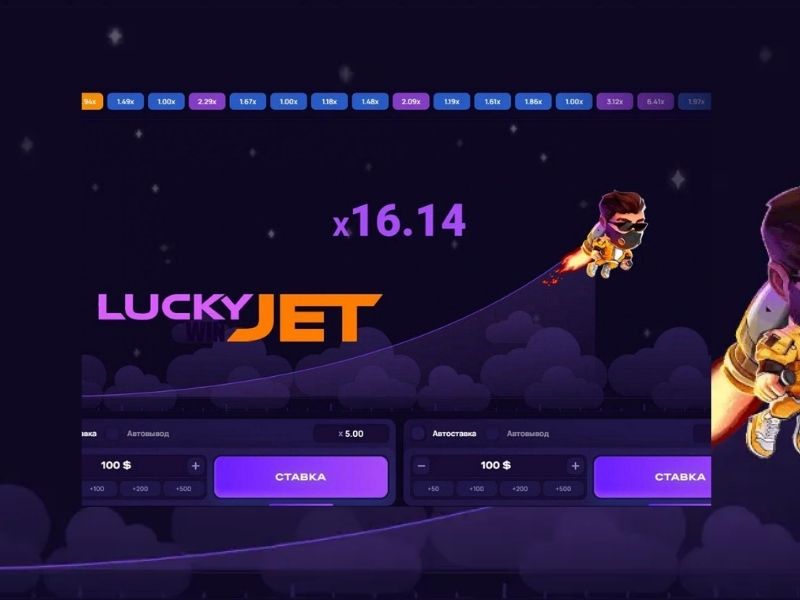
The gameplay mechanics of Lucky Jet center on a active interplay of risk versus reward, involving players in a high-risk environment. Players must choose when to withdraw their bets before the multiplier potentially crashes, leading to a tension between the wish for greater rewards and the fear of forfeiting their wager. This process promotes strategic thinking, as players examine previous outcomes and consider their odds. The structure encourages individual agency, enabling players to exercise their decision-making skills within a established framework. An understanding of risk assessment becomes essential; players seeking higher payouts must weigh their ambitions against the unpredictability of outcomes. Finally, this array of options empowers players, symbolizing a strategic freedom seldom seen in traditional gaming experiences.
The Role of Luck in Gaming Experiences
Players in the world of gaming often experience a substantial element of chance that affects their experiences deeply. This randomness can energize gameplay, delivering unpredictability and excitement that pulls individuals into engaging worlds. In games like Lucky Jet, luck operates as a two-edged sword; while it can cause unexpected winnings, it also introduces uncertainty that may frustrate strategic players. The trust in chance develops a distinct environment where outcomes can drastically shift within moments, shaping player satisfaction. This unpredictability can increase emotional engagement, prompting players to welcome their stakes and nurture a sense of thrill. Finally, luck is a key aspect of gaming experiences, combining the excitement of victory and the understandings gleaned from unexpected losses.
Strategic Decision-Making: Finding Control
While luck plays a crucial role in games like Lucky Jet, lucky jet game winning, strategic decision-making becomes essential for players aiming to optimize their potential outcomes. Players can improve their chances by analyzing patterns, evaluating risk, and altering their gameplay tactics. Comprehending game mechanics allows players to identify when to use assertive strategies versus more conservative approaches. Moreover, leveraging knowledge about timing, such as understanding when to cash out, empowers players to exercise control over their experience rather than leaving outcomes entirely to chance. This deliberate decision-making cultivates a sense of agency, enabling players to traverse the interaction between fate and free will. Ultimately, the equilibrium of luck and strategy shapes the player’s overall experience in the game.
Psychological Impacts of Chance and Choice
How do chance and choice affect the psychological experiences of individuals in games like Lucky Jet? The interaction between these elements creates a distinctive psychological landscape. Players often oscillate between feelings of control and helplessness. When outcomes depend on chance, an increased sense of anxiety may emerge, as individuals struggle with unpredictability. Conversely, opportunities for choice can boost feelings of agency, enabling players to believe they can affect results. This interaction leads to a variable emotional state; successes may produce exhilaration, while failures can cause frustration. Furthermore, the reliance on chance may lead individuals to ascribe outcomes to luck, potentially weakening their confidence in personal decision-making capabilities. Therefore, understanding these psychological impacts is crucial for a holistic appreciation of player experiences in games like Lucky Jet.
Philosophical Implications: Destiny vs. Autonomy
The philosophical conflict between destiny and self-governance arises vividly in the context of activities like Lucky Jet. Players engage in a system that seemingly allows for individual choice, yet hidden formulas dictate the results, creating a paradox of authority. This scenario prompts consideration on the degree to which participants influence their fates compared to being controlled by predetermined elements. In examining self-determination, one must question whether true freedom prevails when outcomes are affected by external mechanisms. While the appearance of selection can boost participant engagement, it poses moral questions about the true essence of action. Ultimately, this discussion invites further consideration of how people navigate their desires for freedom within structured settings, urging a reassessment of self-governance in the presence of operant conditioning.
Recent Comments