

© Moonlight International Publishers. All rights reserved 2026.
Understanding the psychological triggers behind gambling behavior
The Allure of Risk and Reward
The interplay between risk and reward is one of the primary psychological triggers behind gambling behavior. People are often drawn to the thrill of taking chances, where a potential loss is outweighed by the prospect of substantial gains. This phenomenon is deeply rooted in human psychology, as the brain releases dopamine, the pleasure chemical, when we engage in risky activities. In this light, many players choose to explore fascinating options like DonBet Casino, creating a cycle of excitement and anticipation that can become addictive for many individuals.
Moreover, the concept of variable reinforcement plays a crucial role in this allure. Unlike consistent rewards, the unpredictability of gambling outcomes heightens the emotional experience. Players may not win on every spin or hand, but the intermittent successes create a sense of hope and drive them to continue playing. This unpredictability mimics behaviors seen in gambling machines, making it hard for individuals to disengage.
In essence, the risk and reward dynamic can transform a simple pastime into a compelling obsession. People often find themselves caught in a loop of chasing losses and yearning for the next big win, which reinforces their gambling behavior over time. Understanding this trigger is vital for those looking to comprehend the deeper motivations behind why individuals gamble.
The Influence of Social Factors
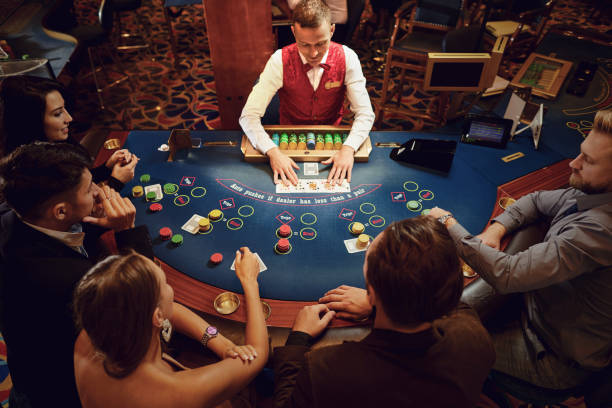
Social influences significantly impact gambling behavior, as humans are inherently social beings. Peer pressure can often encourage individuals to gamble, whether it’s a casual outing with friends to a casino or participating in online games. The communal aspect of gambling often amplifies the experience, making it more enticing and engaging. This social validation can lead to increased risk-taking, as individuals feel compelled to match or surpass their peers.
Additionally, the normalization of gambling in popular culture contributes to its allure. Movies, television shows, and social media often depict gambling in a glamorous light, framing it as a thrilling lifestyle choice. This portrayal can mislead individuals into believing that gambling is a safe, low-stakes activity, downplaying the risks involved. Over time, these influences can create a societal acceptance of gambling that further entices individuals to participate.
Ultimately, social factors can both spark interest and fuel continued participation in gambling. The combination of peer influence, cultural narratives, and social acceptance creates a multifaceted environment that can lead to problematic gambling behaviors. Recognizing these influences can help individuals better navigate their gambling experiences, particularly in social settings.
Cognitive Distortions and Misconceptions
Cognitive distortions, such as the illusion of control, play a significant role in gambling behavior. Many gamblers believe they can influence the outcome of games through skill or strategy, despite the fact that most games of chance are entirely random. This false sense of control can lead individuals to overestimate their abilities and continue playing even when they should stop. It fosters a belief that they can “beat the odds,” which is a central issue in gambling addiction.
Another common misconception is the gambler’s fallacy—the belief that past outcomes can influence future results. For instance, someone might think that because a certain number hasn’t appeared in a roulette game for a while, it is “due” to come up soon. This flawed logic can lead to prolonged gambling sessions as players chase after perceived patterns that do not exist. Such cognitive errors can create an unending cycle of losses and continued gambling.
Understanding these cognitive distortions is essential for addressing gambling behavior. Education and awareness programs can help individuals recognize these irrational thoughts, allowing them to make more informed decisions about their gambling. By breaking these cognitive patterns, individuals can begin to reduce their gambling impulses and adopt healthier behaviors.
The Role of Emotions in Gambling Choices
Emotional states play a significant role in influencing gambling behavior. Many individuals turn to gambling as a coping mechanism, using it to escape feelings of stress, anxiety, or depression. This emotional reliance can escalate, leading to a reliance on gambling as a primary source of relief. When the temporary emotional high from winning is followed by the lows of losing, a roller coaster of feelings can ensue, keeping individuals trapped in a cycle of gambling.
Furthermore, the excitement and adrenaline associated with gambling can create a powerful emotional rush, which can be intoxicating. For some, this leads to a pursuit of emotional highs through gambling, overriding any rational decision-making. They may continue to gamble in an attempt to replicate those feelings, even when faced with negative consequences. This cycle of emotional gambling can quickly spiral out of control, contributing to addiction.
Recognizing the role of emotions in gambling choices is crucial for developing strategies to combat problematic behaviors. Emotional regulation techniques, coupled with education on the risks of gambling, can help individuals make healthier choices. By addressing the emotional triggers that lead to gambling, people can begin to break free from compulsive behaviors.
Exploring Responsible Gaming at DonBet Casino
At DonBet Casino, understanding the psychological triggers behind gambling behavior is a priority. The platform promotes responsible gaming, ensuring that players are aware of the potential risks associated with gambling. With features designed to help users set limits on their play, DonBet encourages a balanced approach to online gaming. This commitment to responsible gaming helps create a safer environment for all players.
DonBet Casino also provides resources for individuals seeking help with gambling issues. By offering educational materials and links to support organizations, the platform aims to promote awareness and understanding. The goal is to empower players to make informed choices, highlighting the importance of recognizing one’s own gambling habits and behaviors.
Ultimately, DonBet Casino stands as a model for fostering healthy gambling practices. By addressing the psychological aspects of gambling and promoting responsible behavior, DonBet helps players enjoy their gaming experiences while minimizing the risks associated with gambling addiction. The platform reflects a commitment to not just entertainment, but also the wellbeing of its users.
0 responses on "Understanding the psychological triggers behind gambling behavior"